Practical garage door maintenance for Tacoma homeowners
If you own a home in Tacoma, WA, effective garage door maintenance keeps your system safe, quiet, and reliable. This guide focuses on when to replace parts—springs, rollers, cables, openers, and seals—so you can avoid emergency failures and costly repairs. Read on for a clear, local approach to garage door maintenance.
Why timely replacement matters
Garage door components wear unevenly. Routine garage door maintenance finds worn parts before they fail. A broken spring or frayed cable can leave a car trapped or create a dangerous snap. Replacing parts at the right time protects property and reduces long-term costs.
Key parts and replacement triggers
1. Torsion and extension springs
Springs do the heavy lifting. On average, residential springs last 7–12 years depending on cycle rating and weather exposure. In Tacoma’s damp climate, corrosion can shorten that lifespan.
- Replace if you notice visible rust, gaps in the coil, or loss of balance.
- If a spring breaks, replace both springs at once to balance wear and reduce repeat service calls.
- Never attempt spring replacement without a trained technician—torsion springs are under high tension and can cause severe injury.
2. Rollers and tracks
Worn rollers cause grinding noises, jerky movement, and premature opener strain. Nylon rollers last longer than steel, but both wear over time.
- Replace rollers every 5–10 years, or sooner if you hear squeaks, see flaking, or notice lateral play in the door.
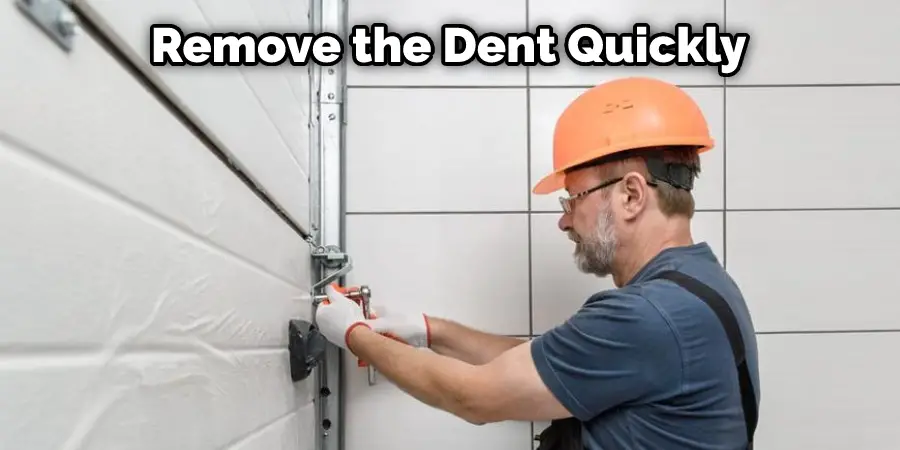
- Inspect tracks for dents or misalignment; small dents can be gently tapped out, but severe damage needs professional attention.
3. Cables and pulleys
Cables handle heavy loads and fray slowly. Replace cables if you see broken strands, kinks, or rust that weakens the wire. Pulleys can fail quietly—look for cracked sheaves or seized bearings.
- Replace cables on the same schedule as springs or sooner when fraying is visible.
- Pulleys should be inspected during annual maintenance and replaced if noisy or wobbly.
4. Openers and electronics
Openers last 10–15 years on average. Signs it’s time to replace the opener include irregular travel, loud operation, frequent resets, and outdated safety features.
- Upgrade if your unit lacks rolling-code remotes or safety reversing sensors—modern units offer quieter belt drives and smart home integration.
- Consider replacing the opener when multiple electronic failures occur, as the cost to repair older units can approach replacement price.
5. Weather seals and bottom rubber
Seals protect against Tacoma’s wet, cool weather. Worn or split seals allow moisture, pests, and drafts into the garage.
- Replace seals yearly if they show cracking, compression set, or discoloration.
- Choose neoprene or reinforced vinyl for better durability in this climate.
How to schedule replacements and inspections
Set a simple routine: inspect your door quarterly and schedule professional garage door maintenance yearly. A local technician can test balance, check spring cycle counts, lubricate moving parts, and spot components near failure before they break.
For homeowners who prefer DIY checks, focus on visible wear, listen for unusual sounds, and test the auto-reverse safety feature monthly. When in doubt, call a pro to avoid unsafe repairs.
Cost considerations and value
Replacement costs vary by part and brand. Typical local ranges (Tacoma area) are:
- Springs: mid-range to high depending on type and torsion kit.
- Rollers: inexpensive per roller; labor raises the cost if multiple need replacing.
- Openers: wide range; belt-driven smart openers cost more but reduce noise and service visits.
- Seals and weatherstripping: low material cost, quick professional install.
Keep receipts and warranty details. Many replacement parts carry limited manufacturer warranties; professional installation may be required to keep warranties valid.
Seasonal tips for Tacoma, WA
Tacoma’s coastal, wet winters mean corrosion and moisture-related wear are common. Add these seasonal items to your garage door maintenance checklist:
- Late fall: clean and lubricate tracks, check seals before winter rains.
- Winter: avoid de-icing chemicals near seals and tracks; dry the area after heavy rain.
- Spring: inspect for rust and schedule an annual service.
When to call a professional
Call a trained technician immediately for broken springs, snapped cables, warped tracks, or if the door won’t stay balanced. These issues pose safety risks and usually need special tools and expertise.
For non-urgent parts replacement, a local pro can still save time and ensure components are matched properly—especially when replacing multiple parts at once to balance wear.
Local resources and next steps
Want a maintenance checklist or to book an inspection? Our team provides clear estimates, parts replacement, and safety testing across Tacoma. Read seasonal tips on our blog, review services on our services page, or contact us to schedule a local visit.
Quick checklist: replace these parts when…
- Door binds, jerks, or is noisy — check rollers and tracks.
- Door is unbalanced or hard to lift — inspect springs and cables.
- Opener cycles frequently or fails to respond — test or replace opener.
- Seals split or gap — install new weatherstripping before the rainy season.
Consistent garage door maintenance reduces emergency calls and extends the life of your system. In Tacoma, WA, prioritizing corrosion prevention and annual professional inspections will keep your garage door operating safely year-round.
Frequently Asked Questions — Tacoma, WA
Q: How often should I schedule professional garage door maintenance in Tacoma?
A: We recommend an annual professional inspection plus quarterly homeowner checks. Tacoma’s damp climate accelerates corrosion, so yearly service helps catch rust and weakened springs early.
Q: Does Tacoma require permits for major garage door replacement?
A: Most simple part replacements (springs, rollers, openers) don’t require permits. Full structural changes to garage openings may; check Tacoma Municipal Code or confirm with a licensed contractor before making structural modifications.
Q: What price range should I expect for common part replacements?
A: Local ranges: springs and installation typically cost more than rollers but less than a new opener. Expect modest variation by brand and door weight; request a written estimate from a Tacoma technician before work.
Q: Will replacing parts void my garage door warranty?
A: Manufacturer warranties often require professional installation. Keep invoices and use certified technicians to preserve warranty coverage—ask your installer to document parts and labor.
Q: How does Tacoma weather affect part lifespan?
A: Rain and coastal moisture increase corrosion on springs, cables, and tracks. Choose corrosion-resistant components and inspect seals more frequently to combat moisture-related wear.
Helpful local resources in Tacoma, WA
- Garage Door Repair Seattle
- Garage Door Repair Bellevue
- Garage Door Repair Redmond
- Garage Door Repair Kirkland
- Garage Door Repair Mercer Island
- Garage Door Repair Edmonds
- Garage Door Repair Issaquah
- Garage Door Repair Tacoma
- Garage Door Repair Everett
- Garage Door Repair Bothell
- Garage Door Repair Sammamish
- Garage Door Repair Renton
- Garage Door Repair Lynnwood
- Garage Door Repair Woodinville
- Garage Door Repair University Place
- Garage Door Repair Gig Harbor
- Garage Door Repair Lakewood
- Garage Door Repair Puyallup
- Garage Door Repair Mukilteo
- Garage Door Repair Vancouver
- Garage Door Repair Kenmore
- Garage Door Repair Burien
- Garage Door Repair Auburn
- Garage Door Repair South Hill
- Garage Door Repair Yarrow Point
- Garage Door Repair Clyde Hill
- Garage Door Repair Port Townsend
- Garage Door Repair Duvall
- Garage Door Repair Snoqualmie