Practical timing for Tacoma homeowners
In Tacoma, WA many homeowners wonder when small noises or slow movement mean a service call or a parts replacement. Regular garage door repair checks help prevent failures that leave you locked out or create safety hazards. This guide explains which parts usually wear first, how to spot the warning signs, and when replacement is the right choice versus repair.
Quick checklist: when to consider replacement
Use this short checklist to decide if a part needs replacing or just adjustment:
- Loud, irregular noises during operation that cleaning and lubrication don’t fix.
- Visible rust, fraying, or broken components (cables, springs, or rollers).
- Door is unbalanced or sash and tracks show warping.
- Opener struggles to lift a door it handled before, or trips safety sensors.
- Age: torsion springs and openers older than 8–12 years show higher failure risk.
Part-by-part guide: what to watch for
1. Springs (torsion and extension)
Springs handle most of the door’s weight. In Tacoma’s damp climate, springs corrode and lose tension faster. Replace springs if you see any of the following: a visible break, uneven winding, or the door falls quickly when you lower it manually. Never try to adjust or replace springs yourself—torsion and extension springs store dangerous energy and should be handled by a professional during garage door repair.
2. Cables and drums
Cables lift the door evenly. Fraying, kinks, or rust on a cable means replacement. Cables can snap suddenly; if one cable is damaged the matching cable and drum hardware should be inspected and commonly replaced at the same time to keep balance and safety intact.
3. Rollers and hinges
Plastic or nylon rollers wear faster than steel. Symptoms that suggest replacement: noisy travel, sticking in the track, or visible flat spots on the rollers. Replace rollers in sets (one side or full set) for smooth motion. Hinges that are bent or cracked should also be replaced to avoid stress on panels.
4. Tracks and brackets
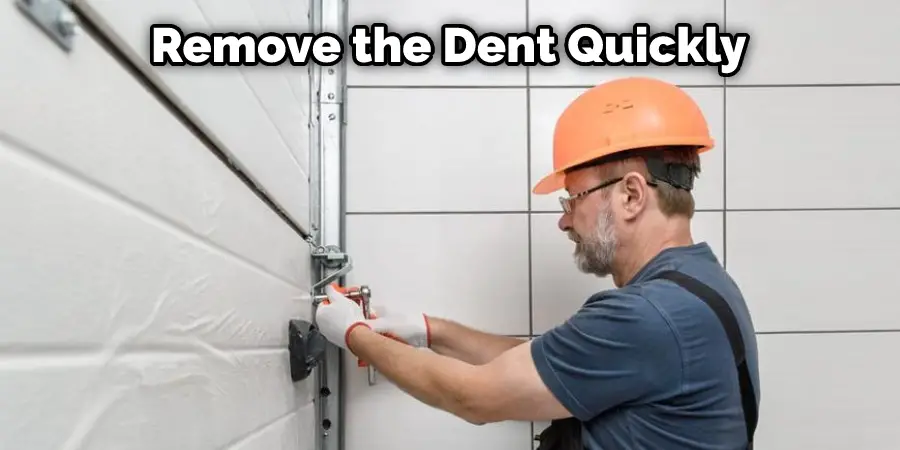
Minor dents can be hammered out, but severe warping or rusted sections that impede rollers usually require replacement of the affected track run. Loose brackets that won’t hold after tightening indicate metal fatigue and need changing. Proper alignment after any track work is essential for safe operation.
5. Weather seals and bottom rubber
In Pierce County weather, seals take a beating. Replace cracked or ripped bottom seals and jamb weatherstripping when you notice drafts, water seepage, or pest entry. These replacements are low-cost and improve insulation and longevity of the door system.
6. Openers and electronics
Openers commonly fail due to worn gears, aged circuit boards, or failing safety sensors. Replace the opener if it strains during normal use, operates intermittently, or if the unit is over 10 years old with recurring faults. Upgrading older openers adds modern safety features like rolling codes and battery backup.
Factors that change replacement timing in Tacoma
Local conditions affect wear rates. Consider these factors when planning replacements or scheduling preventive garage door repair:
- Coastal moisture and salt can accelerate rust on springs, cables, and tracks.
- Frequent daily cycles (multiple openings per day) shorten component life.
- Large or insulated doors stress hardware more than light single-layer panels.
- Improper installation or misaligned tracks leads to early wear.
Cost and timing: when replacement makes financial sense
Deciding between repair and replacement depends on safety, cost, and remaining life. Typical local guidance:
- Springs: replacement is common and usually economical; replacing both springs at once prevents repeat service.
- Cables/rollers: replace in matched sets when more than one shows wear.
- Openers: consider full replacement if multiple repairs are needed or the unit is older than a decade.
For estimates, your trusted local technicians can inspect and give a clear quote. Read deeper maintenance tips on our blog to reduce long-term costs.
Maintenance steps you can do and when to call a pro
Simple monthly checks extend part life and reduce surprise repairs:
- Lubricate rollers, hinges, and springs with appropriate garage door lubricant every 6 months.
- Check balance: disconnect opener and lift the door halfway—if it rises or falls, it’s unbalanced.
- Test auto-reverse: place a 2×4 on the floor and close the door—modern systems must reverse on contact.
- Inspect weatherstripping and seals for cracks or gaps.
If you find broken springs, frayed cables, or a door that won’t stay open, schedule professional service—these issues are safety-critical. Book a local service visit via our services page or reach out directly through our contact form for same-week appointments.
Warranty, permits and safety notes for Tacoma homeowners
Many replacement parts carry manufacturer warranties; keep invoices and model numbers. If you live in a Tacoma neighborhood with specific HOA rules, check whether visible changes (like new panel styles) require approval. Permits are rare for routine mechanical work but check local building codes for structural modifications or electric upgrades to openers.
Final checklist before you replace a part
- Identify the failing component and get a written estimate.
- Ask about matched-part replacements (springs, cables, rollers) to avoid repeated visits.
- Confirm technician licensing, insurance, and safety procedures.
- Schedule cooler, drier weekdays if possible—Tacoma’s wet weather can complicate installations.
Replacing worn parts on a timely schedule saves money, keeps families safe, and avoids disruptive failures. For tailored advice and an on-site assessment, contact a Tacoma specialist who understands local conditions and code requirements.
Frequently Asked Questions
Q: How does Tacoma weather affect garage door parts?
A: Moisture and salt air speed corrosion on springs, cables and tracks. Inspect metal parts every 6 months, lubricate exposed components, and consider stainless hardware for coastal exposure.
Q: What is a realistic timeline for replacing a torsion spring?
A: A professional replacement visit typically takes 45–90 minutes. Same-day service is common in Tacoma if parts are in stock; ask your technician to bring matched springs to avoid a return trip.
Q: How much should I expect to pay in Tacoma for common part replacements?
A: Local price ranges vary: springs often run $150–$350 each installed, rollers $100–$250 for a set, and openers $400–$1,000 installed. Get an on-site estimate for accurate pricing based on door size and labor.
Q: Do replacement parts come with warranties and will installers honor them?
A: Most manufacturer parts have limited warranties; reputable installers also offer workmanship guarantees. Ask for warranty details in writing and retain invoices for any future claims.
Q: Do I need a permit to replace garage door parts in Tacoma?
A: Minor mechanical replacements rarely need permits. Structural changes, electrical work for new openers, or replacing header supports may require a permit—check with Tacoma-Pierce County building services or ask your installer to confirm.
Helpful local resources in Tacoma, WA
- Garage Door Repair Seattle
- Garage Door Repair Bellevue
- Garage Door Repair Redmond
- Garage Door Repair Kirkland
- Garage Door Repair Mercer Island
- Garage Door Repair Edmonds
- Garage Door Repair Issaquah
- Garage Door Repair Tacoma
- Garage Door Repair Everett
- Garage Door Repair Bothell
- Garage Door Repair Sammamish
- Garage Door Repair Renton
- Garage Door Repair Lynnwood
- Garage Door Repair Woodinville
- Garage Door Repair University Place
- Garage Door Repair Gig Harbor
- Garage Door Repair Lakewood
- Garage Door Repair Puyallup
- Garage Door Repair Mukilteo
- Garage Door Repair Vancouver
- Garage Door Repair Kenmore
- Garage Door Repair Burien
- Garage Door Repair Auburn
- Garage Door Repair South Hill
- Garage Door Repair Yarrow Point
- Garage Door Repair Clyde Hill
- Garage Door Repair Port Townsend
- Garage Door Repair Duvall
- Garage Door Repair Snoqualmie