If you own a home in Tacoma, WA and use smart garage systems, protecting your family and property starts with small, practical steps. This guide explains how to improve safety for smart garage systems, covers common garage doors risks, and shows when to call a professional residential service.
Why safety matters for smart garage systems
Smart garage systems add convenience, but they also create new entry points to your home. A single misconfigured device or a worn garage door part can compromise security and lead to costly repairs. Prioritizing safety helps avoid property damage, theft, and injuries from malfunctioning equipment.
Quick visual and mechanical checks you can do
Start with a simple inspection of the garage door and opener hardware. These quick checks catch common problems early:
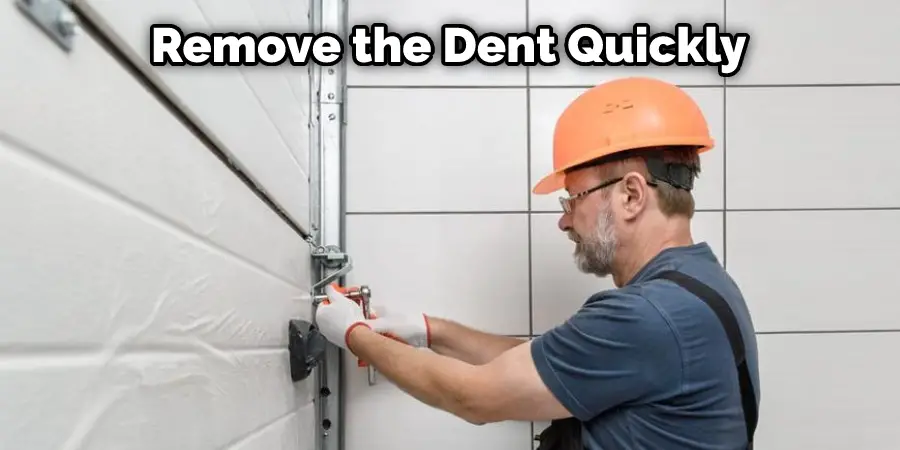
- Inspect door panels for dents, rust, or gaps that could let in moisture or pests.
- Check the tracks and rollers for buildup, bending, or loose fasteners.
- Test safety reverse sensors: place a box in the door path and close—door should reverse on contact.
- Listen for unusual noises from the opener or springs—grinding or squealing often indicates wear.
- Confirm the emergency release is accessible and functional, but keep it secured against tampering.
These checks relate to both traditional garage doors and smart garage systems: if a door fails mechanically, automation won’t protect you. For troubleshooting tips and local updates on hardware, see our blog.
Digital security: protect the software side of smart garage systems
Smart garage systems combine physical hardware with software and cloud services. Protecting the digital side is as important as maintaining the door itself.
Network and account hardening
- Use a strong, unique password for the garage account—avoid passwords used anywhere else.
- Enable two-factor authentication (2FA) on your garage app and related accounts where available.
- Keep your home Wi‑Fi on a secure network: WPA3 if your router supports it, otherwise WPA2 with a long passphrase.
- Segment smart devices on a guest or IoT VLAN to limit access from other devices on your home network.
Device and firmware upkeep
- Regularly check for firmware updates for the garage opener and sensors; apply updates promptly.
- Remove unused apps and accounts connected to your smart garage systems to reduce exposure.
- Replace aging sensors—motion and photo-eye sensors become unreliable with dirt or alignment issues.
Smart installation and integration best practices
How you install and integrate smart features affects safety and reliability.
Choose compatible, supported hardware
- Use devices approved by the garage opener manufacturer; third-party modules may void warranties.
- Buy from reputable brands that publish firmware updates and clear security practices.
Professional setup vs DIY
Homeowners in Tacoma often start DIY, but some tasks are safer when handled by a technician. Torsion springs, high-lift systems, and precise sensor alignment are best left to trained pros. If you need a professional residential service for installation, repair, or complex integration, view our services to find options near you.
Weather and local conditions: Tacoma, WA considerations
Pacific Northwest weather affects both mechanical parts and electronics. Salt air near Puget Sound, frequent rain, and seasonal temperature swings mean:
- Corrosion can accelerate on exposed metal—inspect springs and brackets more than once a year.
- Drainage and bottom seals must be intact to prevent water from pooling and damaging sensors or the garage floor.
- Cold snaps can stiffen lubricants and slow opener motors; use manufacturer‑approved lubricants and test operation after cold weather.
Schedule a seasonal check to adapt your smart garage systems to local conditions.
When to call a professional
Know which problems to handle yourself and which need a trained technician. Call a pro if you notice any of the following:
- Broken or loose springs — they store dangerous tension and can cause injury during DIY attempts.
- Repeated safety sensor failures or misalignment after cleaning and adjustment.
- Opener motor burning smells, smoke, or repeated overheating.
- Security concerns after a break‑in or if you suspect your smart garage systems account has been compromised.
For fast scheduling or questions about repair timelines and warranties in Tacoma, contact our team: contact us. Typical on‑site diagnostics take under an hour; repairs vary by part and may be completed same‑day for common issues.
Practical safety checklist for homeowners
Use this short checklist every 3–6 months to maintain safety for your smart garage systems:
- Test safety reverse and auto‑close features.
- Verify app access and change passwords if multiple users leave the household.
- Clean and align sensors; clear clutter from the door path.
- Lubricate rollers, hinges, and springs with recommended products.
- Run a simulated power outage test if your opener has battery backup to ensure manual override is understood.
Cost, timelines, and warranties — what Tacoma homeowners should expect
Simple maintenance like sensor cleaning or software updates can be free and quick. Common repairs have typical ranges:
- Sensor replacement: low cost, often under an hour.
- Opener repair or replacement: depends on model and smart features—allow a half day to a full day for installation.
- Spring replacement: specialized job; expect professional service and a safety inspection.
Ask your service provider about warranties on parts and labor and whether installing third‑party smart modules affects coverage. If you want an estimate or to schedule an inspection, use our contact page to request a visit.
Smart garage systems can be secure and reliable with the right mix of mechanical maintenance, digital security, and professional support. Regular checks and good habits prevent most safety issues—and when problems exceed DIY skills, local technicians in Tacoma are ready to help.
Frequently Asked Questions
Q: How does Tacoma weather affect smart garage systems?
A: Tacoma’s rain and coastal air can corrode metal parts and affect sensors. Inspect seals and hardware seasonally, keep sensors clean, and replace corroded fasteners promptly.
Q: How long do typical repairs take for a smart garage opener?
A: Minor fixes like sensor alignment or a firmware update usually take under an hour. Opener replacement or spring work can take half a day; ask your technician about same‑day options.
Q: Will adding a smart module void my opener warranty in WA?
A: It depends on the manufacturer. Using approved modules usually keeps the warranty intact; aftermarket devices sometimes void coverage. Save receipts and confirm with the manufacturer or your residential service.
Q: Do I need a permit for garage door upgrades in Tacoma?
A: Most routine repairs and opener replacements don’t require a permit, but structural changes or major electrical work might. Check Tacoma municipal codes or ask your service provider to verify local requirements.
Q: What price range should Tacoma homeowners expect for safety upgrades?
A: Basic safety upgrades (sensors, seals, lubrication) are low cost. Opener upgrades with smart features vary widely—budget estimates are best provided after an on‑site inspection.
Helpful local resources in Tacoma, WA
- Garage Door Repair Seattle
- Garage Door Repair Bellevue
- Garage Door Repair Redmond
- Garage Door Repair Kirkland
- Garage Door Repair Mercer Island
- Garage Door Repair Edmonds
- Garage Door Repair Issaquah
- Garage Door Repair Tacoma
- Garage Door Repair Everett
- Garage Door Repair Bothell
- Garage Door Repair Sammamish
- Garage Door Repair Renton
- Garage Door Repair Lynnwood
- Garage Door Repair Woodinville
- Garage Door Repair University Place
- Garage Door Repair Gig Harbor
- Garage Door Repair Lakewood
- Garage Door Repair Puyallup
- Garage Door Repair Mukilteo
- Garage Door Repair Vancouver
- Garage Door Repair Kenmore
- Garage Door Repair Burien
- Garage Door Repair Auburn
- Garage Door Repair South Hill
- Garage Door Repair Yarrow Point
- Garage Door Repair Clyde Hill
- Garage Door Repair Port Townsend
- Garage Door Repair Duvall
- Garage Door Repair Snoqualmie