If you own a home in Tacoma, WA and you’re planning maintenance or a repair, safety should be the top priority. This practical garage door repair wa how to improve safety guide gives Tacoma homeowners clear steps to reduce risk during residential service, whether you’re scheduling routine maintenance or addressing a sudden failure.
Why safety matters for garage door repair
Garage doors are large, heavy moving systems. A failed spring, frayed cable, or malfunctioning opener can cause rapid, unpredictable movement. Proper garage door repair prevents property damage and personal injury, and it protects vehicles stored in the garage.
Every time a technician inspects a door, they check high-stress components: springs, cables, rollers, hinges, and the opener. For homeowners, understanding those components and simple precautions helps create a safer environment before and during service.
Pre-service checklist for homeowners
Before any garage door repair, follow this short checklist. It helps protect you, your family, pets, and the technician performing the work.
- Clear the work area: remove bikes, boxes, and any vehicles from the driveway to allow safe access and prevent accidental damage.
- Secure pets and children inside the house during the repair.
- Unplug automatic openers and switch off power to reduce electrical hazards if you can do so safely.
- Note unusual noises or behaviors (sluggish travel, shaking, or off-track) so you can tell the technician exactly what you observed.
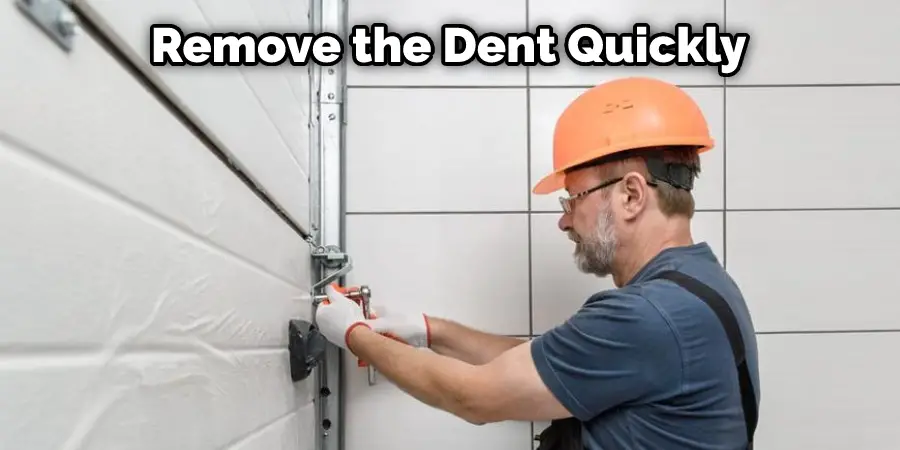
- Take photographs of visible damage (dents, broken springs, frayed cables) — these images help a technician confirm parts and provide faster service.
On-site safety steps and what to expect
When a technician arrives for garage door repair, confirm the following actions to ensure the job is handled safely and professionally.
- Identification and license: ask for company ID and, if applicable, trade licensing. Confirm they are from a local Tacoma provider.
- Work zone setup: professionals should mark a clear work area and keep bystanders at a safe distance.
- Tools and parts: a trained technician brings the right tools and replacement parts — avoid DIY fixes for tensioned components like springs.
- Testing and explanation: after repairs, the technician should demonstrate the door’s operation and explain any follow-up recommendations.
Safety hardware upgrades
Consider upgrades that improve long-term safety during future garage door repair and daily operation:
- Safety cables for extension springs
- Modern automatic-reverse sensors and photo eyes
- Heavy-duty torsion springs that match door weight ratings
- Battery backup openers for power outage operation
If you want to review common safety upgrades and articles about maintenance, our blog has local tips and seasonal checklists for Tacoma homeowners.
When to call a pro vs. safe DIY
Some routine tasks are safe for homeowners: lubricating rollers, tightening loose fasteners, and testing sensors. However, call a trained technician for any job that involves tensioned parts (springs or cables), misaligned tracks, or electrical opener faults.
- Do this yourself: light lubrication with garage-safe lubricant; visual inspections; remote battery replacement.
- Call a technician for: spring replacement, cable repair, major panel replacement, off-track doors, or electrical malfunctions.
For Tacoma homeowners ready to schedule professional residential service, see available options and repair packages on our services page.
Timing, costs, and local considerations in Tacoma
Weather in Tacoma can accelerate wear. Salt air near the Sound, seasonal rain, and fluctuating temperatures contribute to corrosion and component fatigue. Plan inspections and maintenance at least once a year, more often for older doors.
Typical ranges for common garage door repair in the Tacoma area vary by severity and parts required. As a general guideline:
- Minor repairs (roller replacement, sensor adjustment, safety tests): often in the lower labor range and completed in under an hour.
- Spring or cable replacement: these require special tools and training — expect higher labor and parts costs and a technician-grade timeframe.
- Full door replacement: depends on door style, insulation, and opener choice; discuss lead times and warranty details with your installer.
Exact pricing depends on the door size, model, and damage. For a site visit and precise estimate, you can contact our local team in Tacoma.
Practical safety tips after repair
After any garage door repair, perform a quick homeowner test:
- Watch the door close: place a 2×4 in the door path and ensure the opener reverses when it contacts the board.
- Test the photo eyes: verify the door reverses if the sensor beam is interrupted at both close and open positions.
- Listen and observe travel: smooth, even travel with no jerking or banging indicates balanced operation.
- Record the service: keep receipts, part numbers, and warranty information in a safe file for future reference.
These quick checks help catch issues early and avoid follow-up hazards.
Seasonal maintenance checklist
- Spring: inspect for corrosion, lubricate moving parts, test balance.
- Fall: check photo sensors, tighten hardware, and test auto-reverse before winter storms.
- After storms: examine panels and tracks for dents or displacement.
Regular, small efforts reduce the likelihood of emergency garage door repair and keep your system safer year-round.
Final thoughts for Tacoma homeowners
Prioritizing safety around garage doors means fewer emergencies, longer equipment life, and reduced liability for homeowners. When in doubt, call a trained technician instead of attempting spring or cable repairs alone — those parts store hazardous tension.
For local guidance, scheduling, or a safety inspection, call our Tacoma office or use our online contact options. A professional visit can diagnose risks, estimate costs, and complete repairs with safe practices and the right tools.
Frequently Asked Questions — Tacoma, WA
1. How does Tacoma weather affect garage door safety?
Tacoma’s rain and coastal moisture increase the risk of corrosion on springs, cables, and rollers. Inspect and lubricate moving parts seasonally and schedule a professional check if you notice stiffness, grinding noises, or visible rust.
2. How long does a typical spring replacement take in Tacoma?
For a professional technician, spring replacement is usually a one- to two-hour job on-site, depending on access and door type. A trained technician brings the correct springs and tools to finish safely in one visit in most cases.
3. Do I need a permit for garage door replacement in Tacoma?
Minor repairs normally don’t need a permit, but full structural changes or adding new door openings may. Check City of Tacoma building department guidelines or ask your installer to confirm permit requirements for larger projects.
4. What warranty or guarantees should I expect for residential service?
Expect a workmanship guarantee for the repair and manufacturer warranties on parts (springs, openers, panels). Ask your technician for written warranty terms and keep all receipts for future claims.
5. What price range should Tacoma homeowners expect for common garage door repairs?
Prices vary by parts and labor; minor adjustments and sensor fixes are typically at the lower end, while spring replacements and opener repairs cost more. Request an itemized estimate up front and compare a few local service quotes if time allows.
Helpful local resources in Tacoma, WA
- Garage Door Repair Seattle
- Garage Door Repair Bellevue
- Garage Door Repair Redmond
- Garage Door Repair Kirkland
- Garage Door Repair Mercer Island
- Garage Door Repair Edmonds
- Garage Door Repair Issaquah
- Garage Door Repair Tacoma
- Garage Door Repair Everett
- Garage Door Repair Bothell
- Garage Door Repair Sammamish
- Garage Door Repair Renton
- Garage Door Repair Lynnwood
- Garage Door Repair Woodinville
- Garage Door Repair University Place
- Garage Door Repair Gig Harbor
- Garage Door Repair Lakewood
- Garage Door Repair Puyallup
- Garage Door Repair Mukilteo
- Garage Door Repair Vancouver
- Garage Door Repair Kenmore
- Garage Door Repair Burien
- Garage Door Repair Auburn
- Garage Door Repair South Hill
- Garage Door Repair Yarrow Point
- Garage Door Repair Clyde Hill
- Garage Door Repair Port Townsend
- Garage Door Repair Duvall
- Garage Door Repair Snoqualmie