Quieting Your Garage: A Tacoma, WA Guide
If you live in Tacoma, WA and your mornings start with a clatter from the garage, this guide will help. Homeowners often ask how to reduce noise from garage doors without a full replacement. Practical tweaks and targeted garage door repair can transform a rattling door into a quiet, reliable part of your home.
Why garage doors get noisy
Noise is a symptom, not the problem. The most common causes needing garage door repair are worn rollers, loose fasteners, dry tracks, aging openers, and poor insulation. In our wet northwest climate, metal components corrode faster and wood panels warp, which amplifies creaks and bangs.
Common culprits
- Dry or dirty hinges and rollers that squeak.
- Loose bolts and brackets that vibrate under movement.
- Older torsion or extension springs that chatter.
- Chain-driven openers that transmit vibration into the house.
- Poor door-to-frame seals that allow rattle and wind noise.
Practical noise reduction solutions
Many noise issues are solved with targeted garage door repair. Below are cost-effective, homeowner-friendly measures and upgrades technicians commonly recommend.
1. Clean and lubricate moving parts
Cleaning tracks and applying a quality silicone or lithium grease to rollers, hinges, and springs reduces friction noise dramatically. Avoid WD-40 as a long-term lubricant; it cleans but doesn’t protect. Regular lubrication is a low-cost first step in any noise reduction plan.
2. Replace rollers and noisy hardware
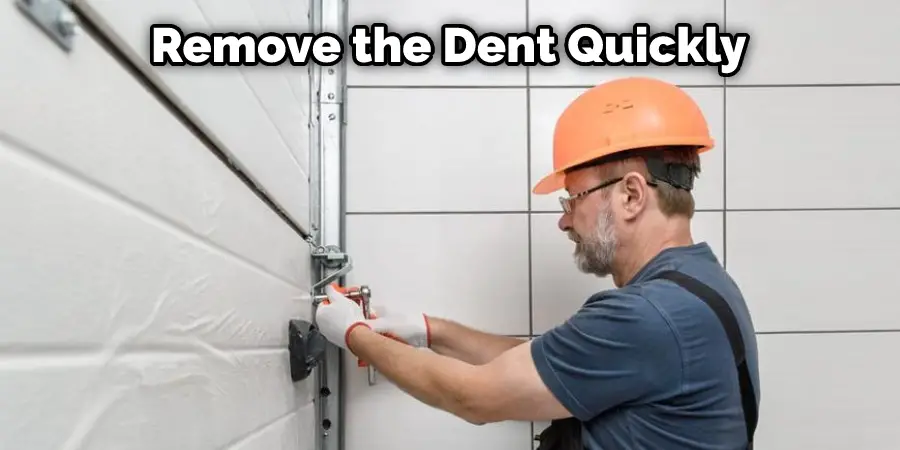
Switching steel rollers to nylon or urethane rollers cuts noise and vibration. Replacing worn hinges and tightening or swapping out loose fasteners also eliminates many rattles. These garage door repair tasks are inexpensive and often completed in under an hour for a single-door job.
3. Upgrade the opener for quiet operation
Chain-drive openers are noisy; belt-drive or direct-drive models are much quieter. If your opener is over 10 years old or the unit transmits vibration into studs, an opener upgrade is a common, effective step. For more on options and costs, see our services page where we outline typical upgrades and expected timelines.
4. Add vibration dampeners and weather seals
Rubber isolators under the opener, foam seals along the frame, and bottom weatherstripping reduce impact and wind noise. Small rubber bumpers at contact points and felt tape behind trim can stop metal-on-metal contact that causes ringing noises.
5. Insulate the door and improve framing
Insulated panels, backing sheets, or adding plywood and foam board to the door’s interior surface absorb sound and lower overall noise. While insulation improves energy efficiency, it also adds mass that dampens vibration—helpful in attached garages where noise carries into living spaces.
Maintenance schedule and timelines
Good maintenance prevents most noise issues. For Tacoma homeowners, a simple seasonal check before winter and once in spring covers the wetter months when corrosion and swelling are most likely.
- Every 3–6 months: Visual inspection, tighten fasteners, lubricate moving parts.
- Every 5–10 years: Replace rollers and springs as preventive maintenance.
- When noise increases suddenly: Schedule a professional garage door repair inspection to avoid failures.
Minor fixes often take 30–90 minutes; bigger jobs like spring replacement or insulation can take 2–4 hours. If you want step-by-step DIY tips and seasonal checklists, check our blog for guides tailored to local conditions.
Costs, permits, and warranty considerations
Noise-focused garage door repair is typically less expensive than full replacement. Expect small repairs (lubrication, tightening, roller swap) to range in the low hundreds. Opener upgrades or insulation kits can run from several hundred to over a thousand dollars depending on model and door size.
In Tacoma, WA most noise reduction projects for single-family homes don’t require building permits. However, structural changes like framing modifications or electrical upgrades for a new opener should follow local codes—ask the technician to confirm. Always check warranty conditions; DIY modifications can void manufacturer warranties on panels or openers.
When to call a professional
Certain repairs are best left to pros because of safety and complexity. Never work on torsion springs or attempt major spring adjustments without certified experience—these components are under extreme tension.
- Call a technician if springs are visibly damaged, the door is unbalanced, or noise accompanies jerky motion.
- Schedule professional installation for new insulated panels or opener replacements to ensure correct alignment and warranty compliance.
- Use a pro for vibration isolation if noise transmits into the house after basic fixes.
Ready to schedule a consultation or service? Our local team handles inspections and full repairs—book an appointment via our contact page and we’ll follow up quickly.
Quick checklist: 8 steps to reduce garage door noise
- Inspect rollers and hinges for wear.
- Clean tracks and remove debris.
- Lubricate springs, rollers, and hinges properly.
- Tighten loose bolts and brackets.
- Replace steel rollers with nylon or urethane.
- Install vibration isolators under the opener.
- Upgrade to a belt or direct-drive opener if needed.
- Add weather seals and interior insulation for sound absorption.
Following these steps will reduce noise and extend the life of the door. For homeowners in Tacoma, WA, these measures also reduce the chance of costly failures during wet months when parts corrode faster.
Final notes
Noise reduction is an achievable goal with the right mix of maintenance, targeted repairs, and selective upgrades. Whether you need a quick tune-up or a quieter opener, a local technician can assess your specific door and provide cost-effective options. Prioritize safety—spring and cable work should only be handled by trained professionals.
Frequently Asked Questions
Q: How does Tacoma weather affect garage door noise?
A: Tacoma’s moisture accelerates corrosion and causes wood panels to swell, which increases friction and rattling. Schedule a spring inspection after wet months and use corrosion-resistant hardware where possible.
Q: What price range should I expect for noise-reducing garage door repair in Tacoma?
A: Small repairs (lubrication, roller swap) typically cost under $300. Opener upgrades or insulation work can range from $400 to $1,500 depending on materials and door size. Exact quotes depend on door condition and parts needed.
Q: How long will noise-reduction repairs take?
A: Simple fixes are often completed in 30–90 minutes. Replacing rollers or an opener may take 1–3 hours. Insulation or panel upgrades often require 2–4 hours. Your technician can give a time estimate during inspection.
Q: Are permits required for soundproofing or door upgrades in Tacoma?
A: Most noise reduction work—lubrication, roller replacement, seals—doesn’t need a permit. Structural changes or electrical work for a new opener may require permits; always confirm with your contractor and local building department.
Q: Will warranty be affected if I add insulation or change rollers myself?
A: Possibly. Some manufacturers require factory parts or certified installers for warranty coverage. Check your warranty terms before DIY installations; a technician can install upgrades without voiding coverage.
Helpful local resources in Tacoma, WA
- Garage Door Repair Seattle
- Garage Door Repair Bellevue
- Garage Door Repair Redmond
- Garage Door Repair Kirkland
- Garage Door Repair Mercer Island
- Garage Door Repair Edmonds
- Garage Door Repair Issaquah
- Garage Door Repair Tacoma
- Garage Door Repair Everett
- Garage Door Repair Bothell
- Garage Door Repair Sammamish
- Garage Door Repair Renton
- Garage Door Repair Lynnwood
- Garage Door Repair Woodinville
- Garage Door Repair University Place
- Garage Door Repair Gig Harbor
- Garage Door Repair Lakewood
- Garage Door Repair Puyallup
- Garage Door Repair Mukilteo
- Garage Door Repair Vancouver
- Garage Door Repair Kenmore
- Garage Door Repair Burien
- Garage Door Repair Auburn
- Garage Door Repair South Hill
- Garage Door Repair Yarrow Point
- Garage Door Repair Clyde Hill
- Garage Door Repair Port Townsend
- Garage Door Repair Duvall
- Garage Door Repair Snoqualmie